

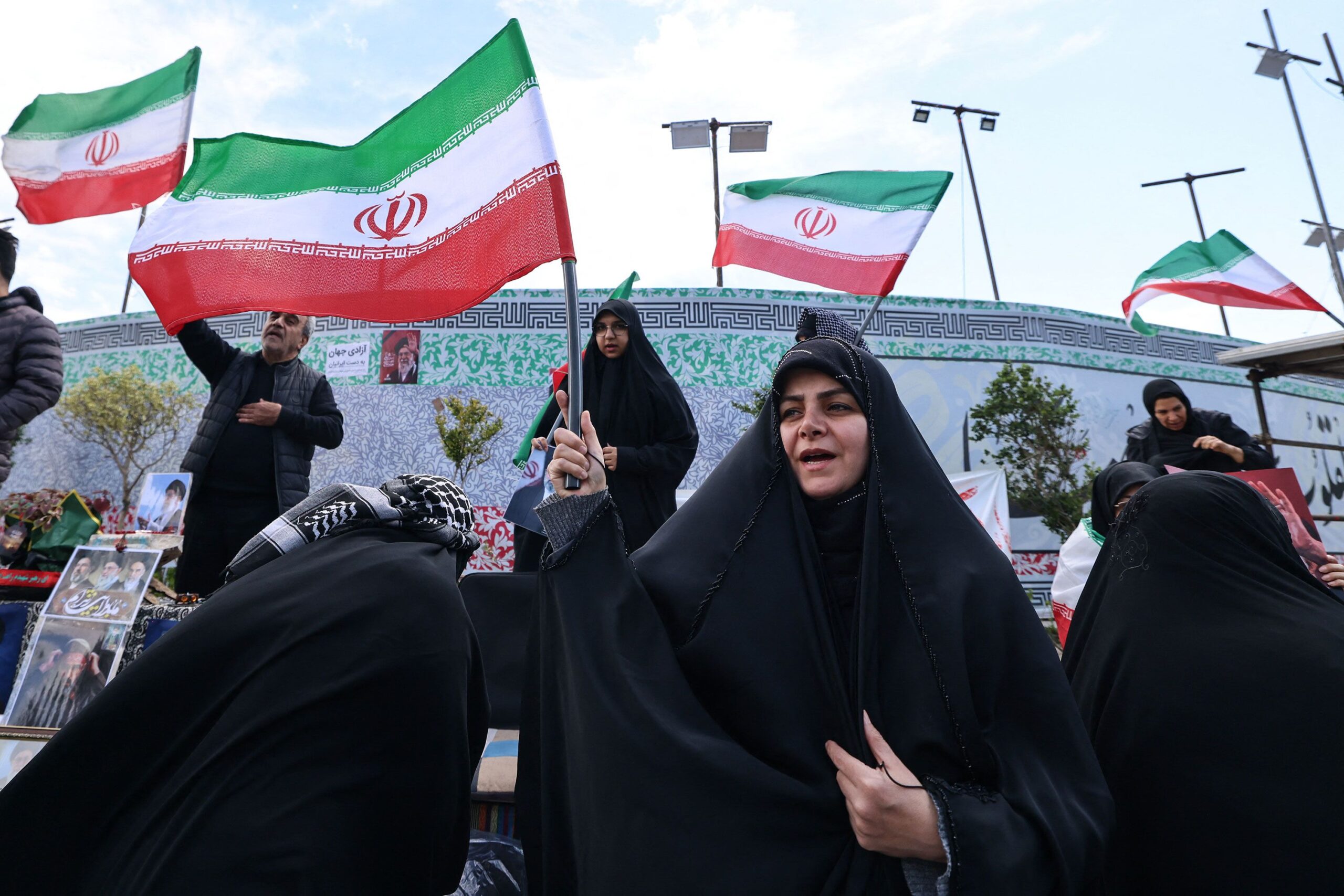
Fresh strikes and retaliatory attacks raise fears over stability of Gulf security and fragile peace efforts.
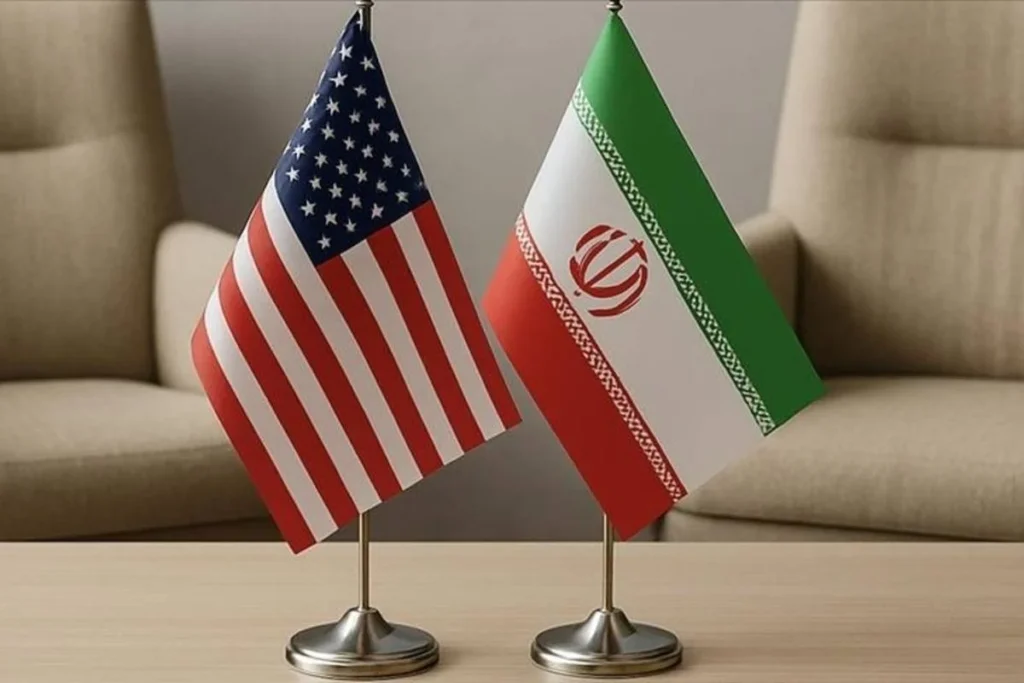
Iran has accused the United States of violating a recently agreed peace deal aimed at ending the Middle East conflict after Washington carried out strikes on Iranian territory, prompting Tehran to launch retaliatory attacks against US targets in the Gulf region.
The exchange of fire has renewed concerns over the future of the ceasefire agreement and raised questions about efforts to maintain security around the strategic Strait of Hormuz, a key global energy route.
The United States said its strikes targeted Iranian missile and drone storage facilities as well as coastal radar positions, describing the action as a response to what it called “unwarranted aggression” against commercial shipping in the region.
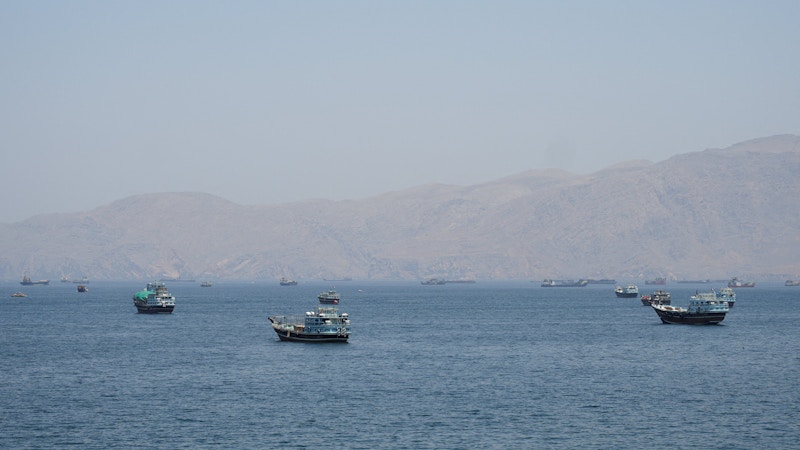
US Central Command (CENTCOM) said the attacks were carried out after Iran was accused of targeting a cargo vessel in the Strait of Hormuz, an incident Washington said violated the ceasefire agreement.
Iran, however, rejected the accusations and condemned the US strikes as a breach of the peace arrangement.
The Iranian Foreign Ministry described the attacks on coastal surveillance facilities as a violation of the memorandum of understanding reached to end the war, while the Islamic Revolutionary Guard Corps (IRGC) said it had launched retaliatory strikes against US positions in the Gulf.
The IRGC warned that any further attacks would trigger a broader response.
Regional Tensions Rise
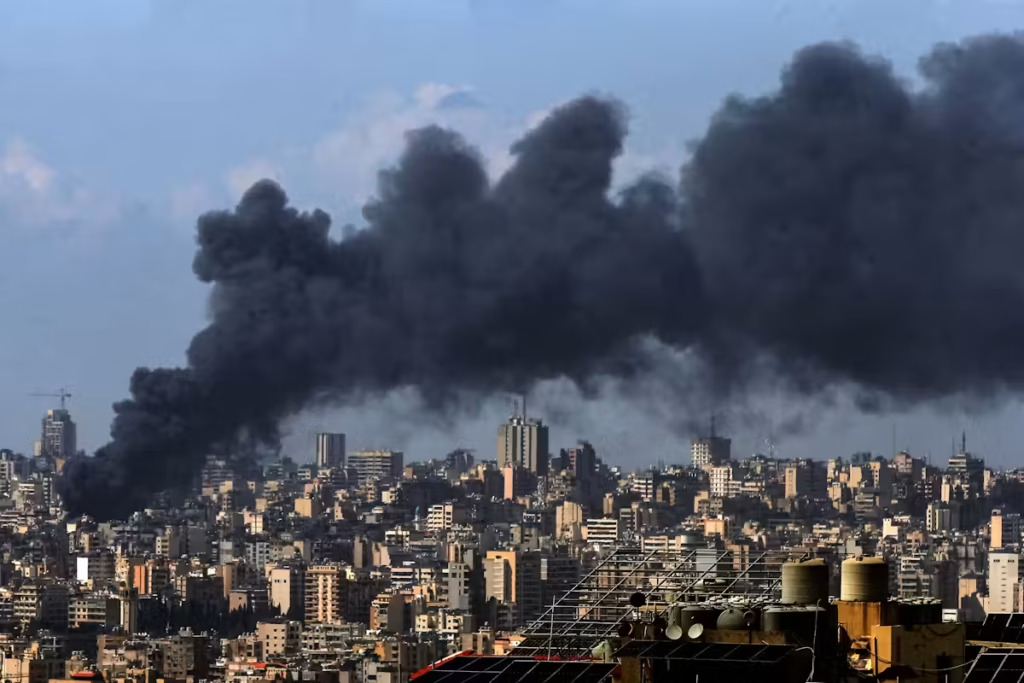
Bahrain also reported drone attacks targeting its territory, accusing Iran of undermining ongoing peace efforts.
Despite the latest escalation, global oil markets have shown signs of easing as traders remain hopeful that shipping activity through the Strait of Hormuz which handles a significant share of global energy exports will continue recovering.
The developments come as wider diplomatic efforts continue in the region, including a US-backed agreement between Israel and Lebanon aimed at reducing tensions along their shared front.
Nuclear Issue Remains Key Challenge
The future of Iran’s nuclear programme remains one of the biggest obstacles in negotiations between Tehran and Washington.
The International Atomic Energy Agency (IAEA) has stressed that any final agreement must include strong verification measures to ensure Iran’s nuclear activities remain peaceful.
IAEA chief Rafael Grossi said Tehran’s assurances alone would not be sufficient, emphasising the need for effective inspection and monitoring mechanisms.
The latest confrontation has increased pressure on both sides to preserve diplomatic channels and prevent further escalation in a region already facing prolonged instability.
