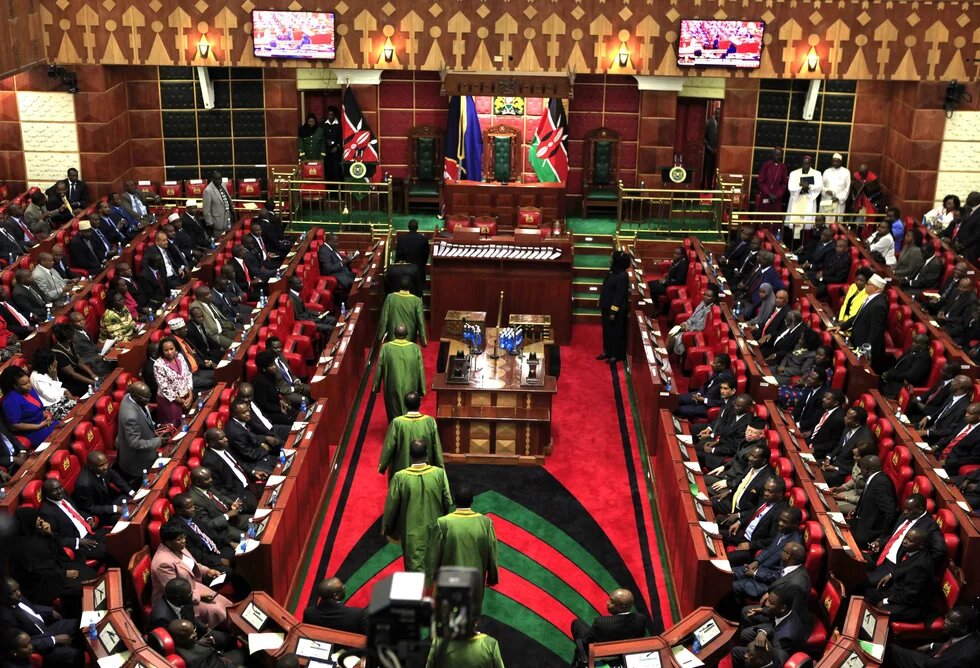
Proposed reforms seek to cap recurrent expenditure, protect funding for health and ECDE, and ensure counties deliver better public services.
🏛️ DEVOLUTION | ASAL POST
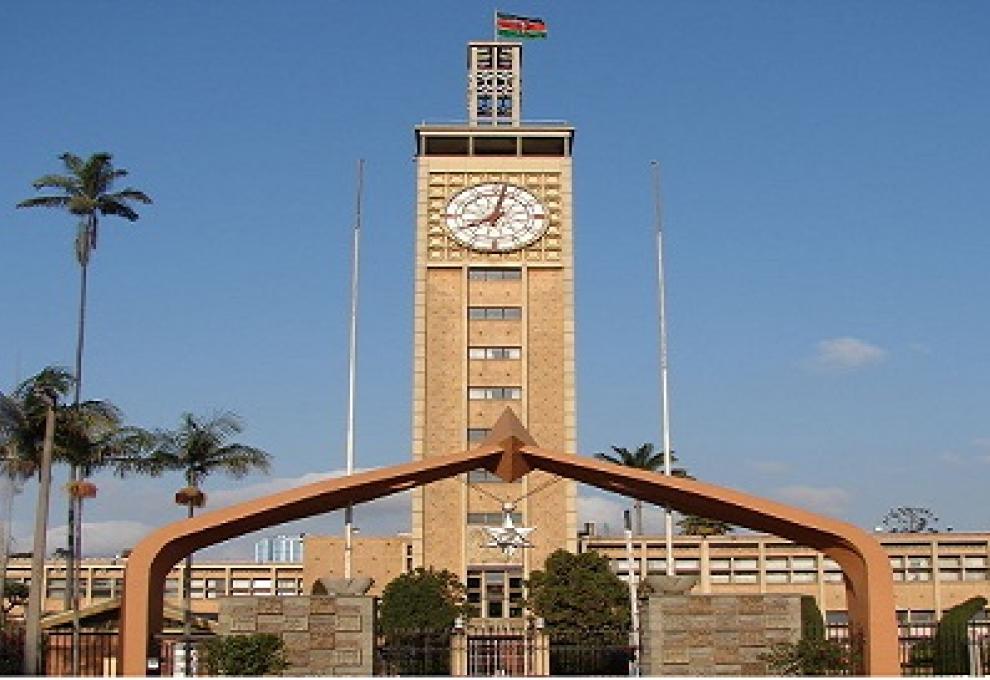
NAIROBI, Kenya – County governments could soon face tighter controls on how they spend public funds after Members of Parliament proposed new measures aimed at reducing recurrent expenditure and increasing investment in development projects.
The proposals emerged during the Third Reading of the County Governments (Amendment) Bill, 2026, with legislators arguing that the current structure of county spending has seen billions of shillings consumed by salaries and administrative costs at the expense of essential public services.
The proposed amendments seek to introduce limits on recurrent expenditure, safeguard funding for priority sectors such as healthcare and Early Childhood Development Education (ECDE), and ensure devolved funds translate into tangible development for citizens.

Lawmakers expressed concern that despite county governments receiving increased allocations from the National Treasury now totaling KSh 428 billion many counties continue to struggle with poor healthcare services, inadequate ECDE facilities, poor road networks and slow development.
National Assembly Majority Whip Silvanus Osoro, the South Mugirango MP, said county wage bills have grown to unsustainable levels, leaving little money for development.
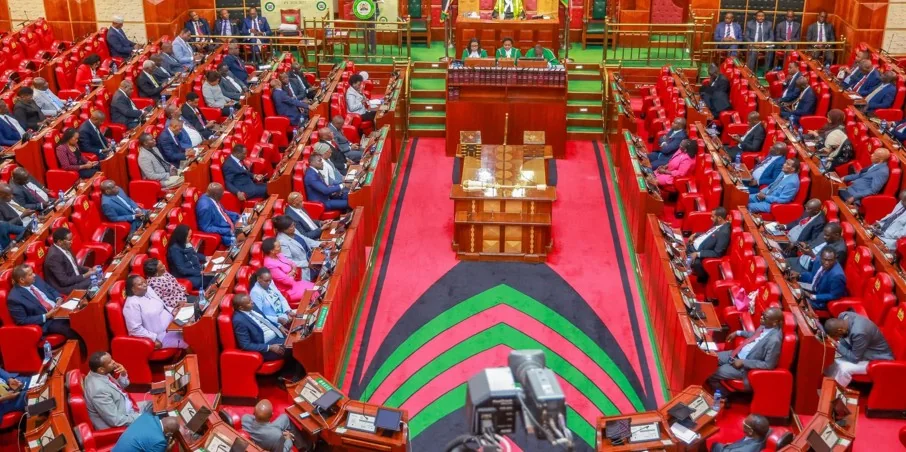
“We allocate billions of shillings to the counties, but 90 per cent of those funds are used to cover the wage bill,” Osoro told Parliament.
He argued that governors often rely heavily on chief officers while sidelining County Executive Committee (CEC) members, raising concerns over efficiency and accountability in county governments.
Osoro also criticized what he described as excessive use of county staff and public resources during official events, saying many employees accompany governors to functions at the expense of service delivery.
He called for amendments to county finance laws that would limit recurrent expenditure and require a larger share of county budgets to be directed toward development projects.
The proposal received support from Gilgil MP Martha Wangari, who said increased county allocations over the years have not translated into improved services because wage bills continue to rise.
She proposed ring-fencing county funds for key sectors, including healthcare, ECDE and vocational training, to ensure public resources produce measurable results.
“Can we provide, for example, that 30 per cent goes to health, another 30 per cent to ECDE and another portion to polytechnics? That way, we would compare the amount of money allocated with the work being done by county governments,” Wangari said.
Buuri MP Mugambi Rindikiri also backed the reforms, saying recurrent expenditure continues to consume a significant portion of county budgets, limiting investment in development.
Using his county as an example, Rindikiri said an allocation of KSh 10.8 billion would see nearly three-quarters spent on recurrent expenses.
“Governors have turned management of counties into something like private property,” he said.
If approved, the proposed amendments would require county governments to channel a greater share of public funds toward development projects, improve accountability in the use of devolved resources and strengthen service delivery in critical sectors.
The reforms form part of ongoing efforts by Parliament to enhance financial discipline in county governments and ensure devolution delivers greater value to taxpayers.