

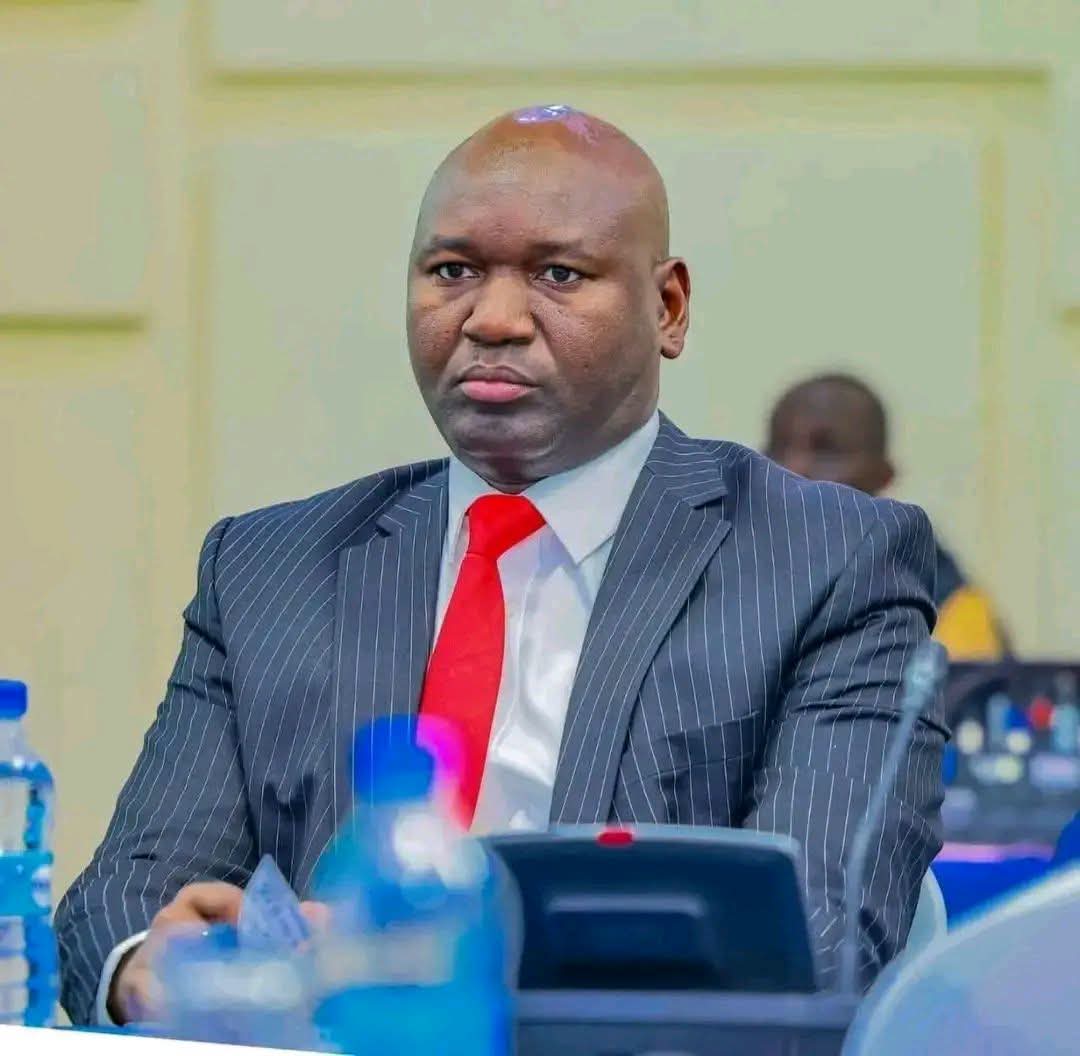
John Ololtuaa Moves to Basic Education While Julius Bitok Takes Over Tourism in Surprise Government Reshuffle.

NAIROBI, Kenya — President William Ruto has reshuffled two senior government officials, swapping the Principal Secretaries for Basic Education and Tourism in a move that comes amid mounting pressure on the education sector over school unrest, funding challenges, and teacher shortages.
In changes announced Tuesday by Chief of Staff and Head of Public Service Felix Koskei, Julius Bitok has been moved from the State Department for Basic Education to the State Department for Tourism, while John Lekakeny Ololtuaa leaves Tourism to take charge of Basic Education.
The changes take effect immediately.
The reshuffle places new leadership at the heart of two critical sectors that remain central to the government’s economic and social development agenda.
Leadership Changes at a Critical Time
While no official explanation was provided for the transfers, the timing has attracted significant attention, particularly within the education sector, which has recently experienced rising cases of student unrest in secondary schools across the country.
Several schools have reported strikes, destruction of property, and disruptions to learning, raising concerns among parents, education stakeholders, and policymakers.
The Ministry of Education is also facing increasing pressure over funding constraints, implementation of ongoing reforms, teacher shortages, and preparations for upcoming national examinations.
With these challenges continuing to dominate public debate, the appointment of John Ololtuaa to Basic Education is likely to be viewed as an attempt to inject fresh leadership into a sector currently under intense scrutiny.
Ololtuaa Takes Over a Demanding Education Docket
Mr Ololtuaa assumes responsibility for Basic Education at a particularly challenging period.

The government is under pressure to restore stability in schools while ensuring smooth implementation of education reforms and maintaining learning standards across the country.
Education stakeholders have repeatedly raised concerns about delays in capitation funds, staffing shortages, and the increasing frequency of student unrest.
His new role will require balancing policy implementation with urgent interventions aimed at restoring confidence in the education system.
As Principal Secretary, Ololtuaa will work closely with Education Cabinet Secretary and other stakeholders to address the challenges affecting learners, teachers, and institutions nationwide.
Bitok Moves to Tourism
On the other hand, Prof Julius Bitok takes over the tourism docket as the government seeks to build on recent gains recorded in the sector.
Tourism remains one of Kenya’s leading foreign exchange earners, with the government pursuing aggressive strategies to attract more international visitors and increase tourism revenues.
Bitok brings extensive experience in public administration and policy implementation, having played a central role in managing key education programmes during his tenure at the Ministry of Education.
His appointment is expected to support ongoing efforts to strengthen Kenya’s position as a leading tourism destination amid growing competition from regional and global markets.
Strategic Sectors Under Focus
The reshuffle highlights the importance President Ruto places on both education and tourism as pillars of his administration’s development agenda.
Education remains critical to human capital development and the successful implementation of reforms, while tourism continues to play a key role in driving economic growth, job creation, and foreign exchange earnings.
Political analysts suggest the move could be part of a broader effort by the President to enhance performance and improve service delivery across government ministries and departments.
Speculation Over Broader Government Plans
Although State House has not publicly outlined the reasons behind the reshuffle, the changes are likely to fuel speculation about wider adjustments within the public service.
Such reassignments are often used to align leadership with emerging priorities, address performance concerns, or inject fresh perspectives into key sectors.
For now, attention will be on how both Principal Secretaries adapt to their new roles and whether the leadership changes translate into improved outcomes in sectors facing growing public expectations.
As the education sector grapples with unrest and reform pressures, and tourism seeks to maintain momentum in a competitive global market, the success of the reshuffle will ultimately be measured by results on the ground.
