

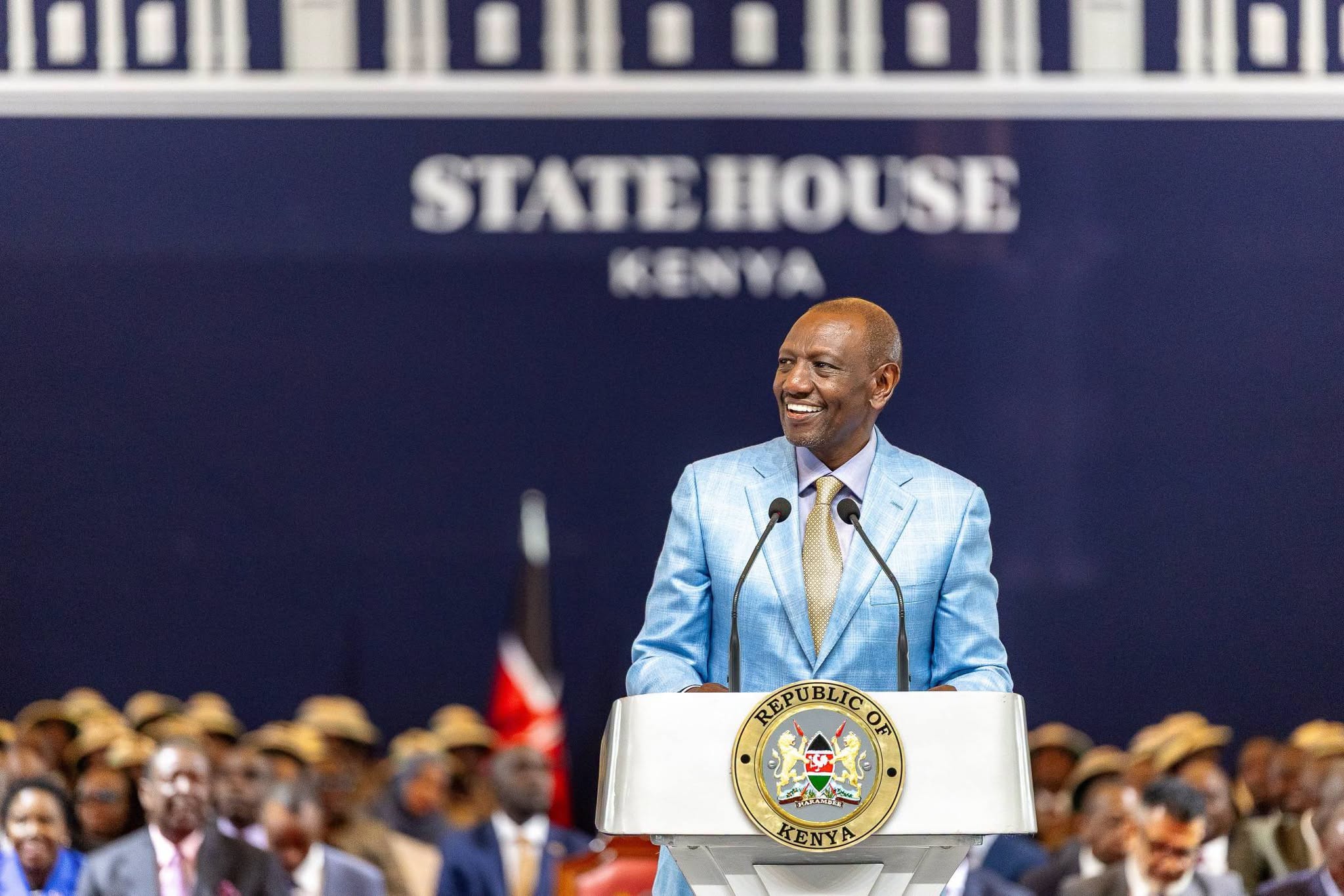
President says welcoming grassroots leaders to State House honours their role in nation-building despite criticism over increased public access.
KENYA | ASAL POST
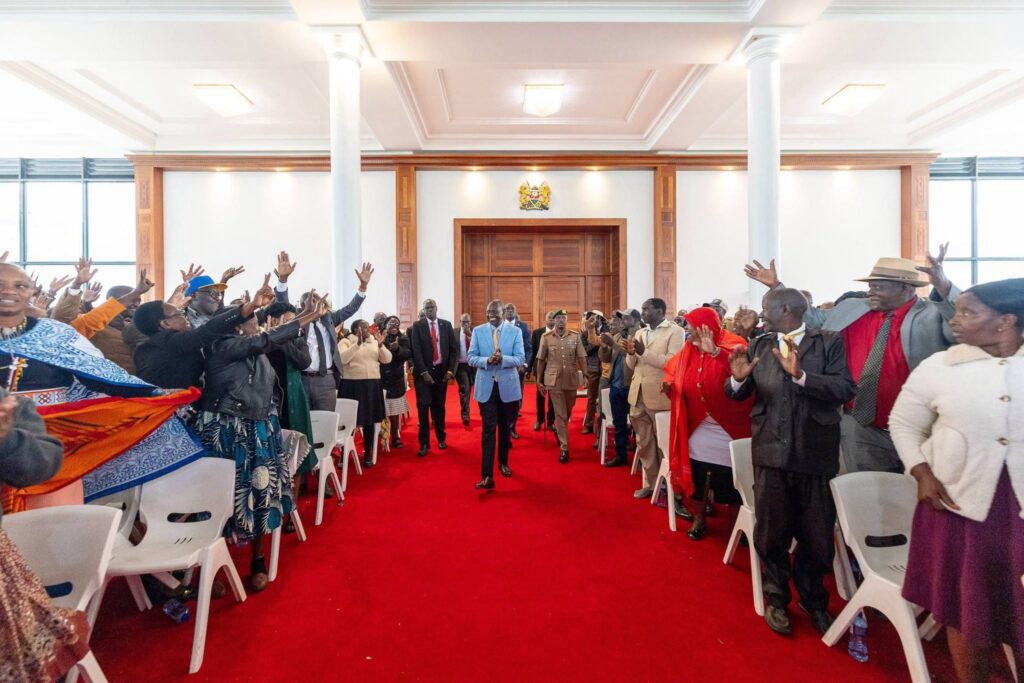
NAIROBI, Kenya, August 5, 2026 – President William Ruto has defended his decision to open State House to village elders and other grassroots leaders, saying the official residence belongs to all Kenyans and should not be reserved exclusively for political leaders and foreign dignitaries.
Speaking on Tuesday while hosting village elders from across the country at State House, Nairobi, President Ruto said inviting community leaders to the country’s highest office was a recognition of their important role in society and a demonstration of respect for ordinary citizens.
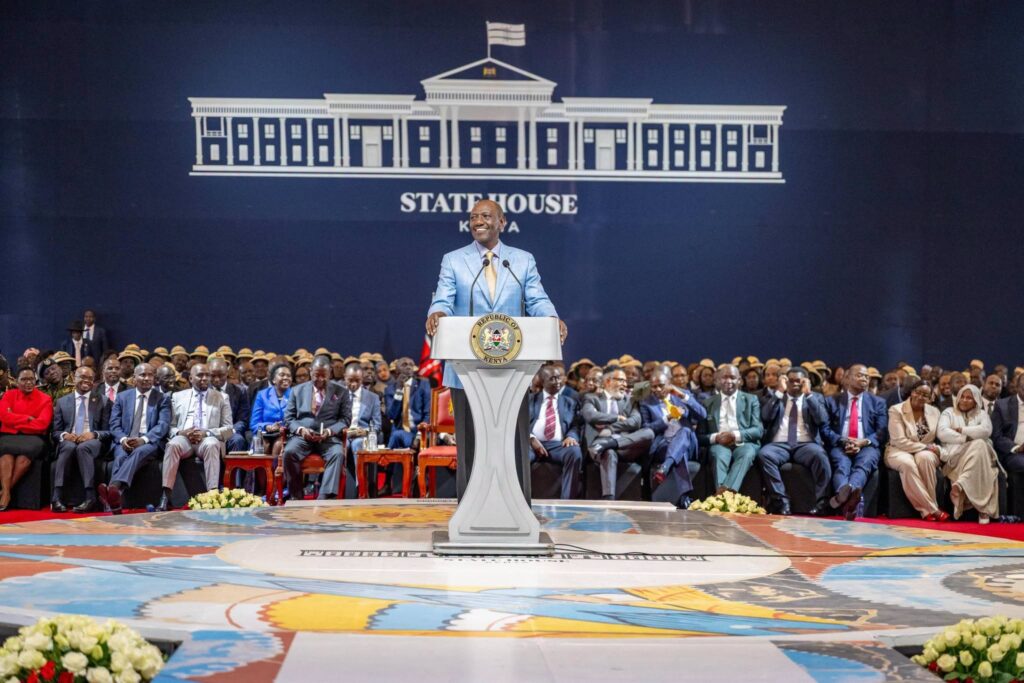
“Inviting you to State House is not undervaluing it; it is basically upholding your dignity as humans and leaders in this nation,” the President said.
Ruto praised village elders for their contribution to peacebuilding, conflict resolution and community leadership, noting that they deserve the same recognition accorded to other national and international leaders.
“At State House, I have received so many guests. I have hosted kings, presidents and leaders of all cadres. Today, I am happy to have village elders,” he said.
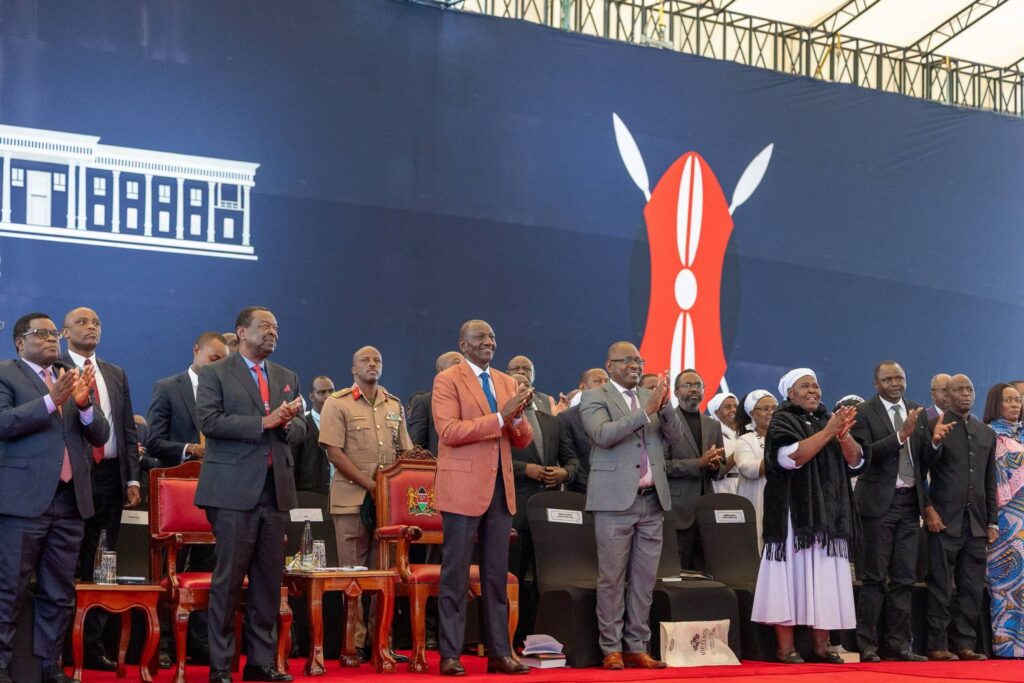


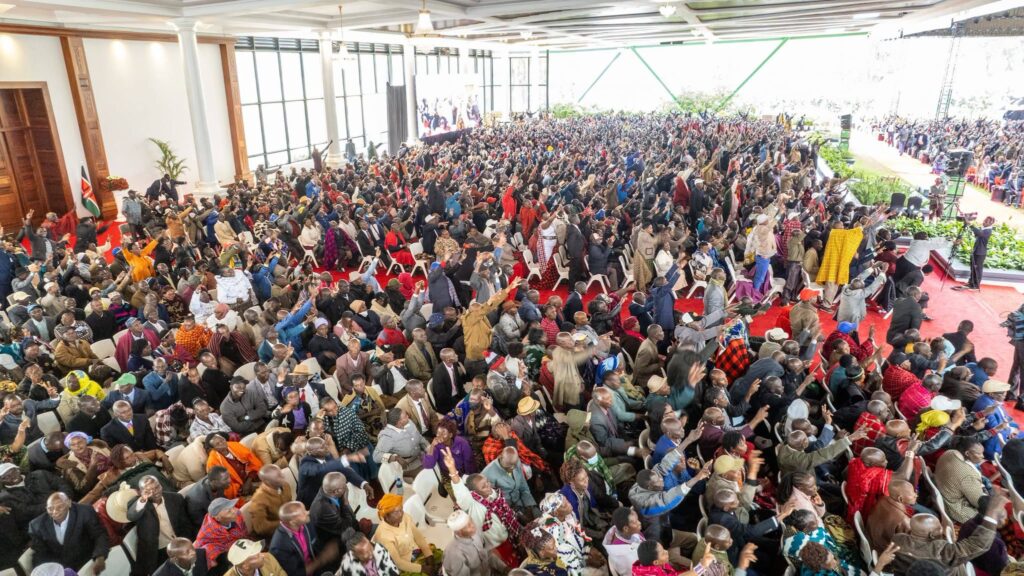
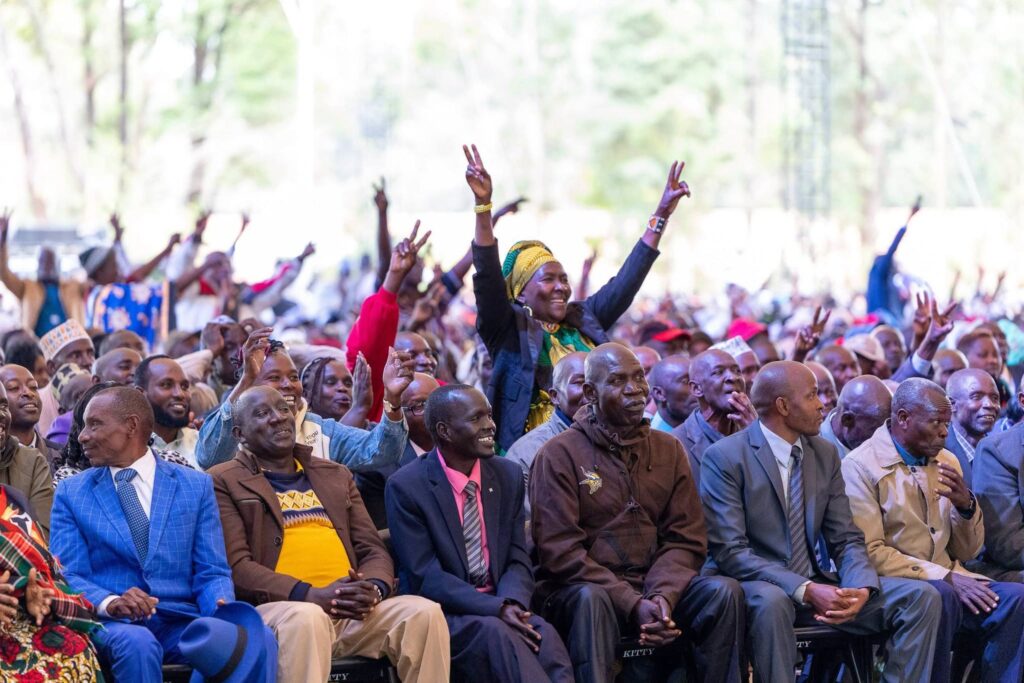
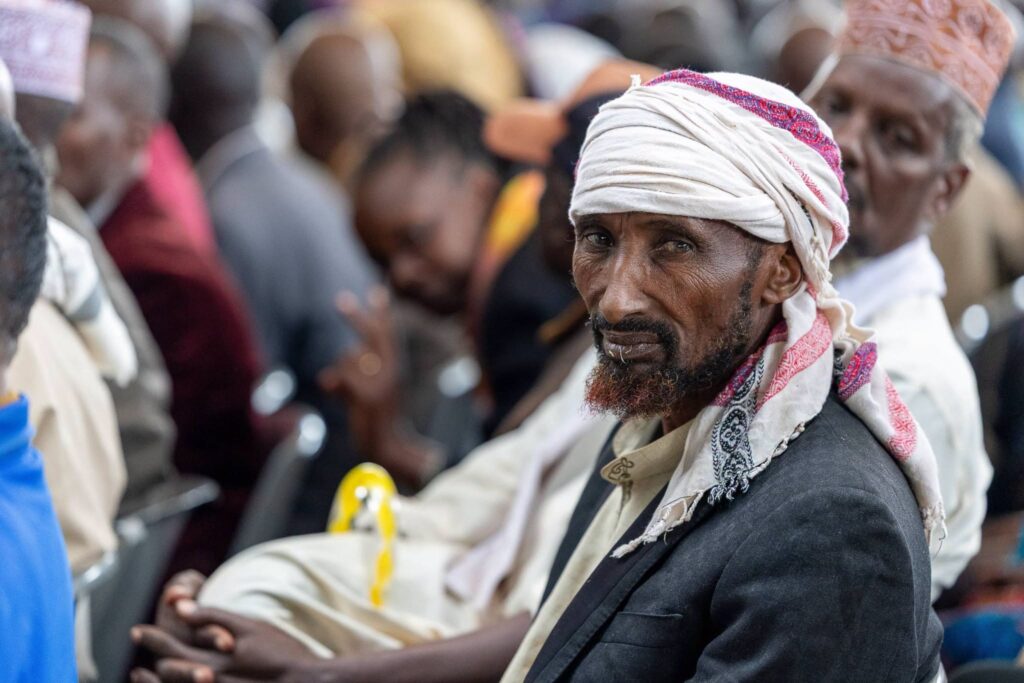
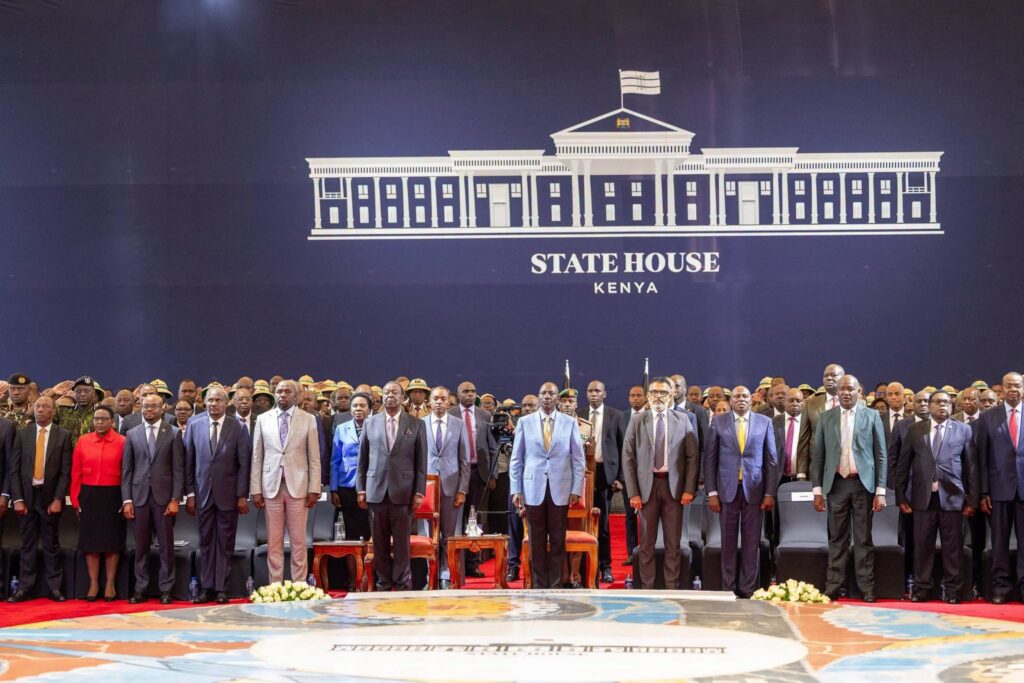
The President also responded to critics who have questioned his administration’s decision to allow broader public access to State House, arguing that the move elevates the dignity of Kenyan citizens rather than diminishing the prestige of the presidency.
“Sometimes back, there were those who told me that I have downgraded the status of State House, that even common people have access,” Ruto said.
“I answered them and said I did not lower the status of State House but uplifted the respect of the Kenyan people. They too should be allowed to visit State House and understand it is their home.”
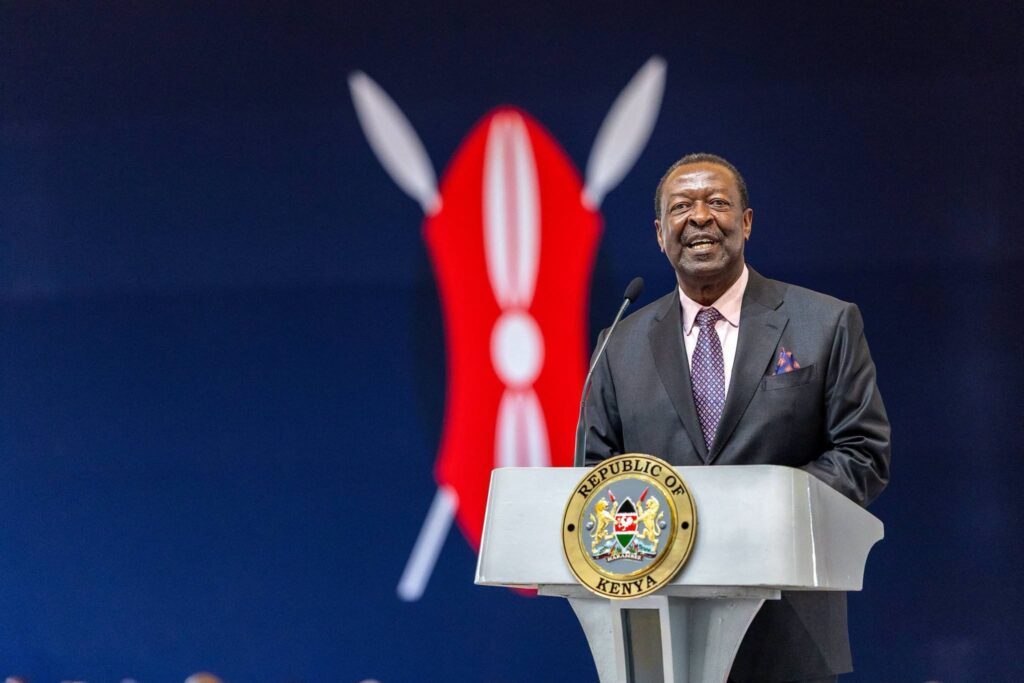
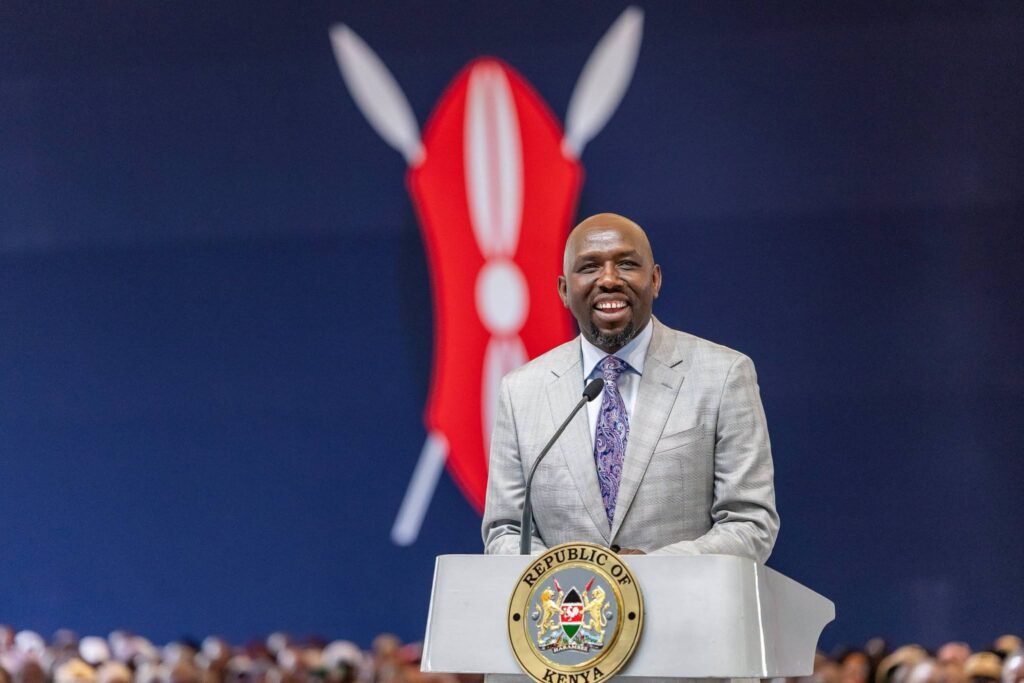
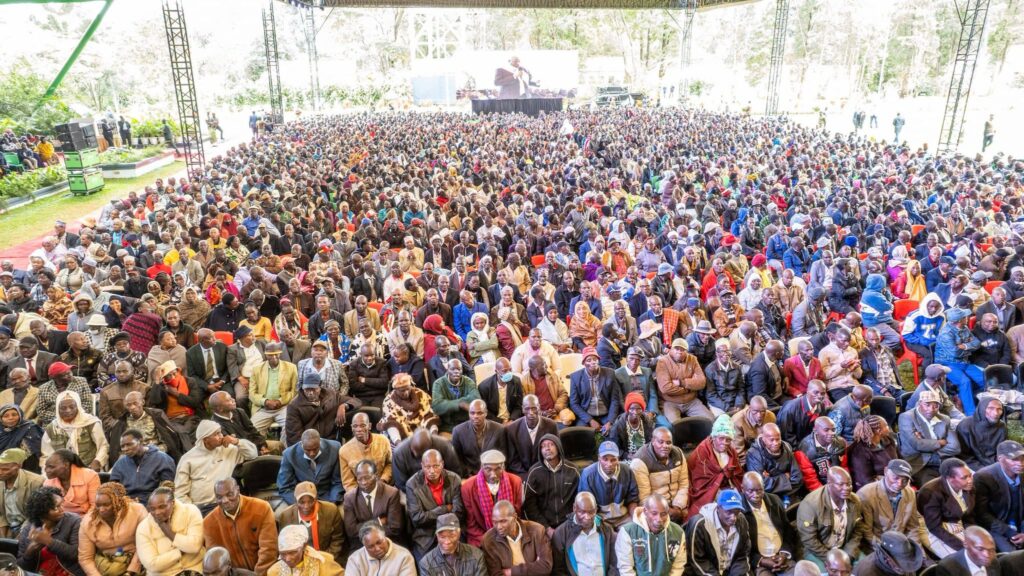
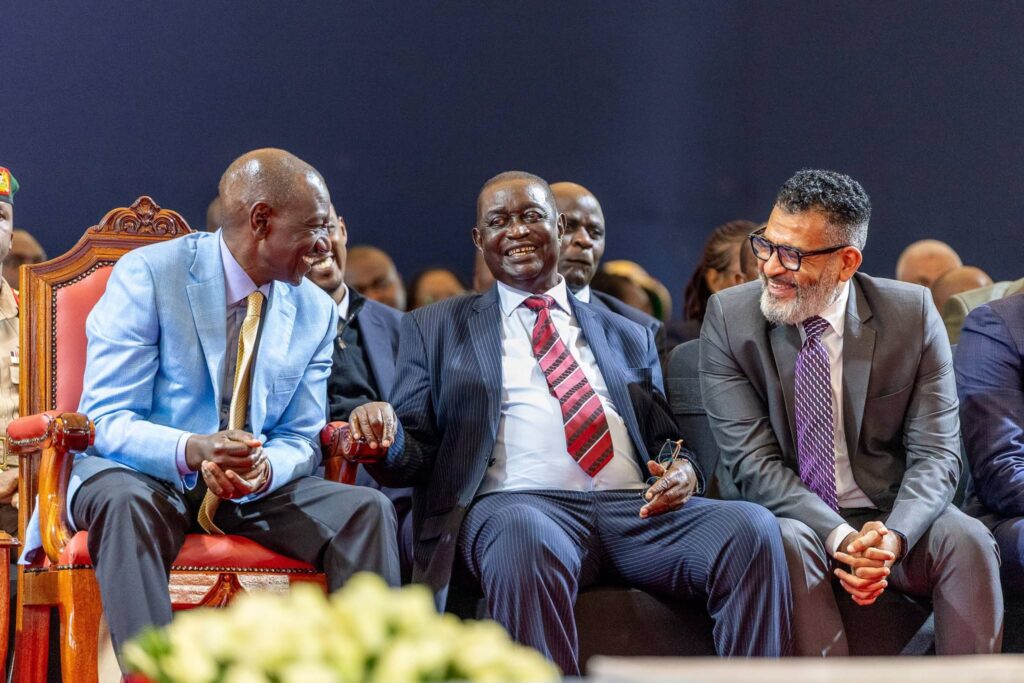
Since taking office, State House has hosted a wide range of delegations, including political leaders, religious leaders, professionals, youth groups, community representatives and grassroots organisations.
The increased public engagements have sparked debate, with critics arguing that some meetings blur the line between official government business and political mobilisation. Supporters, however, maintain that the initiative has made the presidency more accessible and inclusive.
President Ruto reaffirmed that his administration will continue engaging citizens from all walks of life, saying national leadership should remain connected to the people it serves.
