

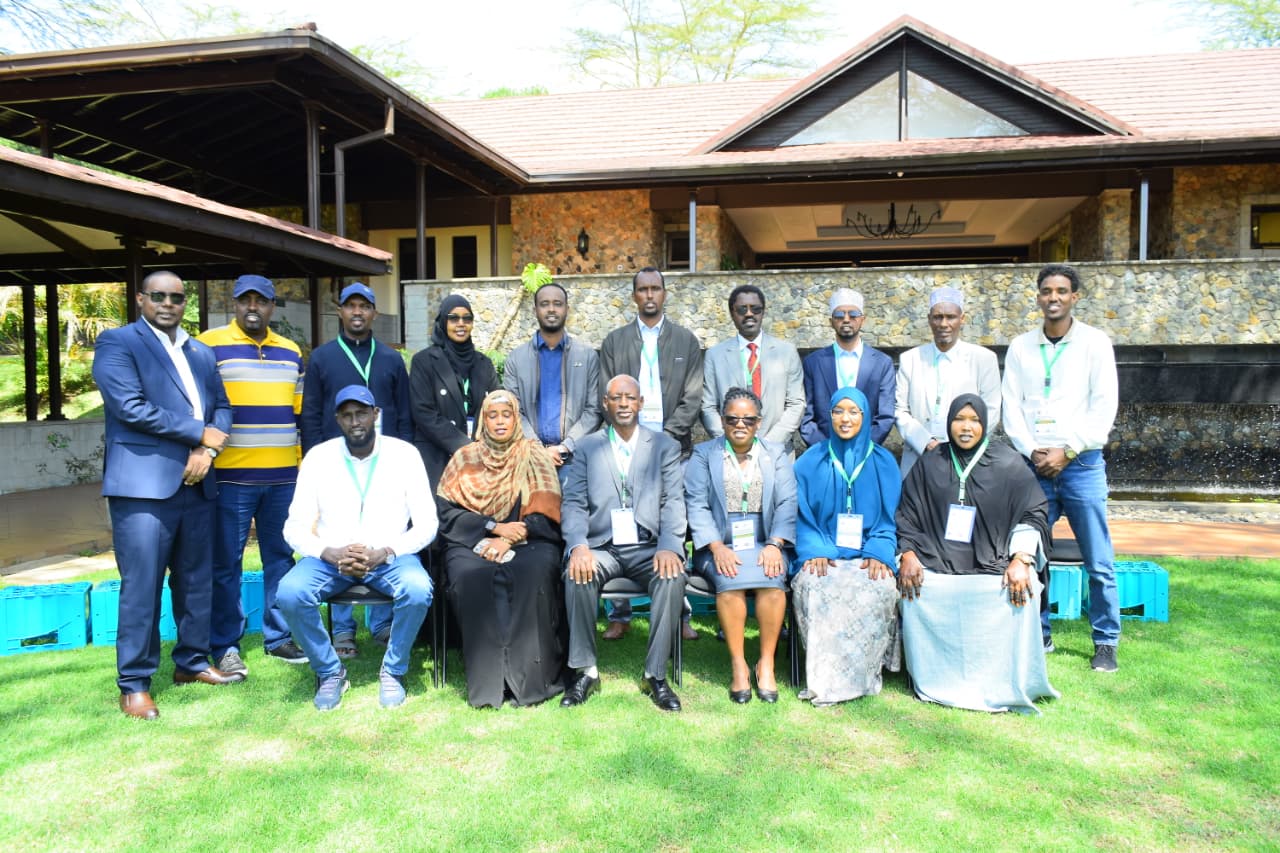
Garissa Assembly Vice Chairperson Calls for Integration of Refugee Priorities into County Development Planning and Resource Allocation.
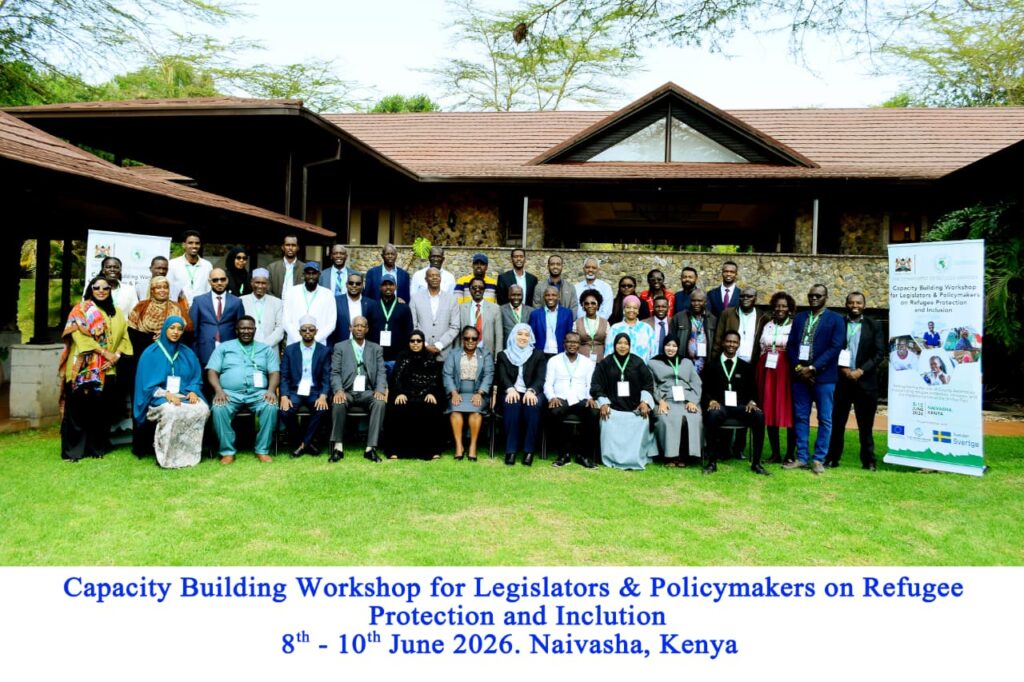
GARISSA, Kenya – The Garissa County Assembly’s Sectoral Committee on Cohesion, Peace and Special Programmes has strengthened its commitment to refugee inclusion and sustainable development after completing a high-level capacity-building workshop on refugee protection, governance, and socio-economic integration.
The three-day workshop, held in Naivasha from June 8 to June 10, 2026, brought together legislators and policymakers from Garissa, Turkana, and Nairobi City counties, three counties that host a significant proportion of Kenya’s refugee population and are expected to play a central role in implementing the country’s evolving refugee reforms.
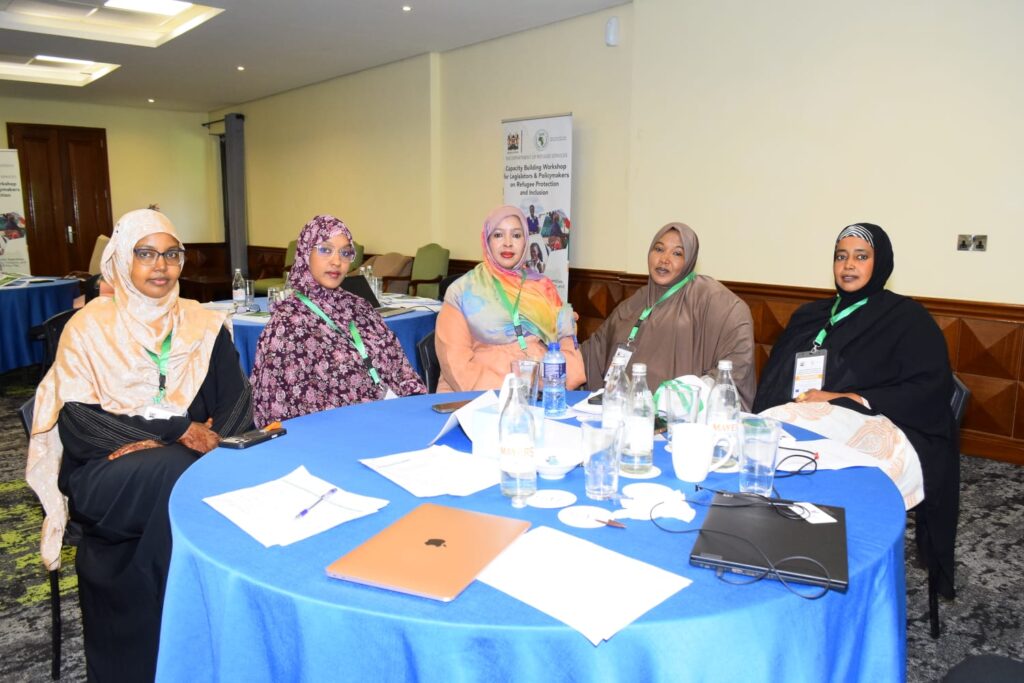
The training was organized by the Directorate of Refugee Services (DRS) under the Ministry of Interior with support from the Intergovernmental Authority on Development (IGAD), the World Bank, and the Joint Shirika Plan Secretariat.
The Garissa delegation was led by Chairperson of the Sectoral Committee on Cohesion, Peace and Special Programmes, Hon. Noor Sheikh Farah, alongside committee members. However, throughout the workshop, the committee’s Vice Chairperson Hon. Khatra Iman Sigat emerged as one of the strongest voices advocating for refugee inclusion as a critical component of county planning, budgeting, and development.
Preparing Counties for a New Era of Refugee Inclusion
The workshop focused on enhancing participants’ understanding of refugee governance frameworks and Kenya’s ambitious Shirika Plan (2025–2036), a transformative national initiative aimed at transitioning refugee camps into integrated and self-reliant settlements while promoting economic participation and social inclusion for both refugees and host communities.
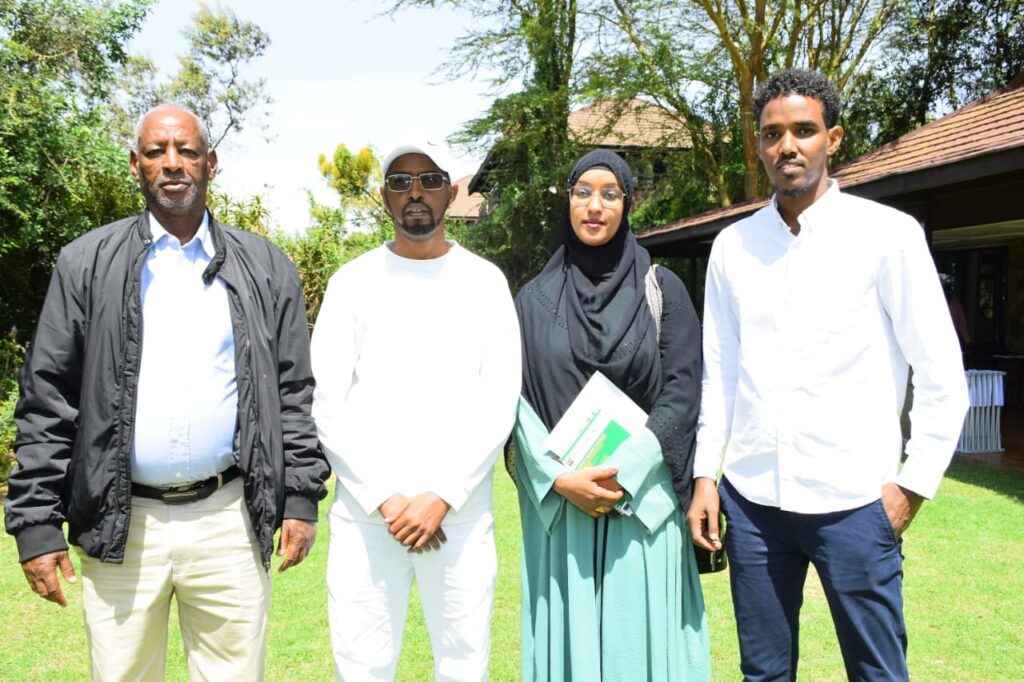
The plan seeks to move beyond traditional humanitarian approaches by creating long-term development solutions that improve access to education, healthcare, infrastructure, housing, and livelihoods.
Participants explored how county governments can align legislation, development planning, and budget priorities with national refugee policies to ensure sustainable development and equitable access to opportunities.
For Garissa County, which hosts the globally renowned Dadaab Refugee Complex, the discussions were particularly significant given the county’s strategic role in Kenya’s refugee response framework.
Hon. Khatra Calls for Refugee Inclusion in CIDPs and ADPs
Speaking during the closing session, Hon. Khatra Iman Sigat called on legislators from refugee-hosting counties to ensure that the Shirika Plan is fully integrated into county development frameworks.
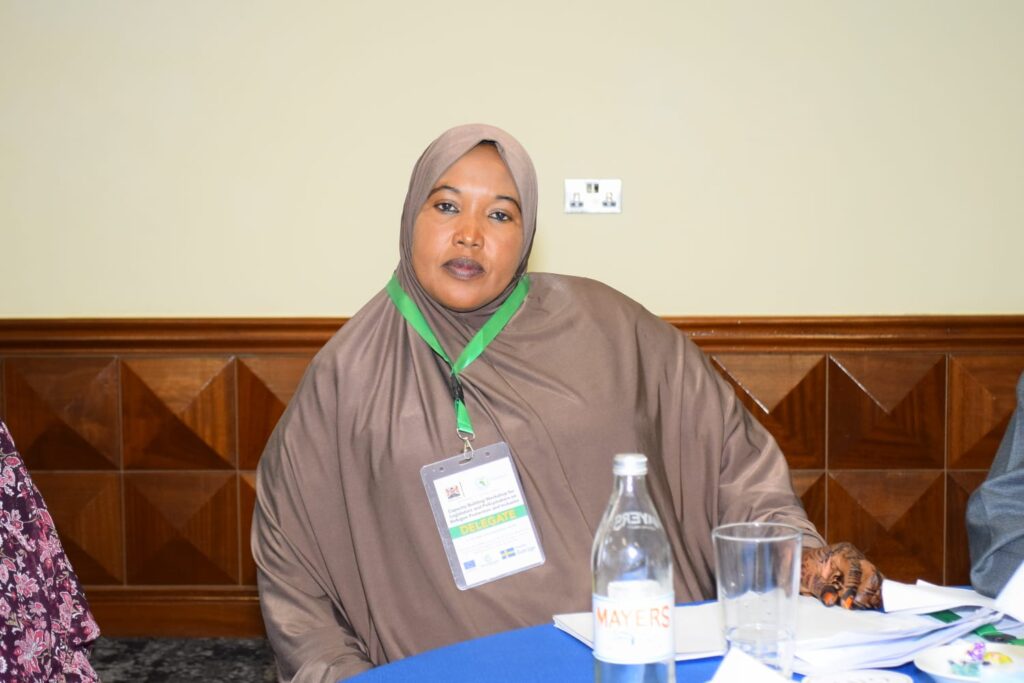
She urged Members of County Assemblies from Garissa, Turkana, and Nairobi counties to mainstream refugee inclusion in their County Integrated Development Plans (CIDPs) and Annual Development Plans (ADPs), noting that these counties carry a unique responsibility as hosts of refugee populations.
“I appeal to Honorable Members from Garissa, Turkana, and Nairobi counties to consider the Shirika Plan in your County Integrated Development Plans and Annual Development Plans because these are the counties hosting refugees in our country,” said Hon. Khatra.
“As leaders, we must ensure that development planning reflects the realities on the ground. Both refugees and host communities deserve to benefit from development investments, and no one should be left behind.”
She emphasized that refugee inclusion should not be viewed solely as a humanitarian issue but as a development opportunity capable of attracting investment, strengthening local economies, and improving service delivery.
According to Hon. Khatra, counties that proactively incorporate refugee concerns into their development blueprints will be better positioned to leverage support from national government and development partners.
Building Legislative Capacity for Effective Oversight
Hon. Khatra noted that the training had broadened legislators’ understanding of refugee governance and strengthened their ability to provide effective oversight and informed policymaking.
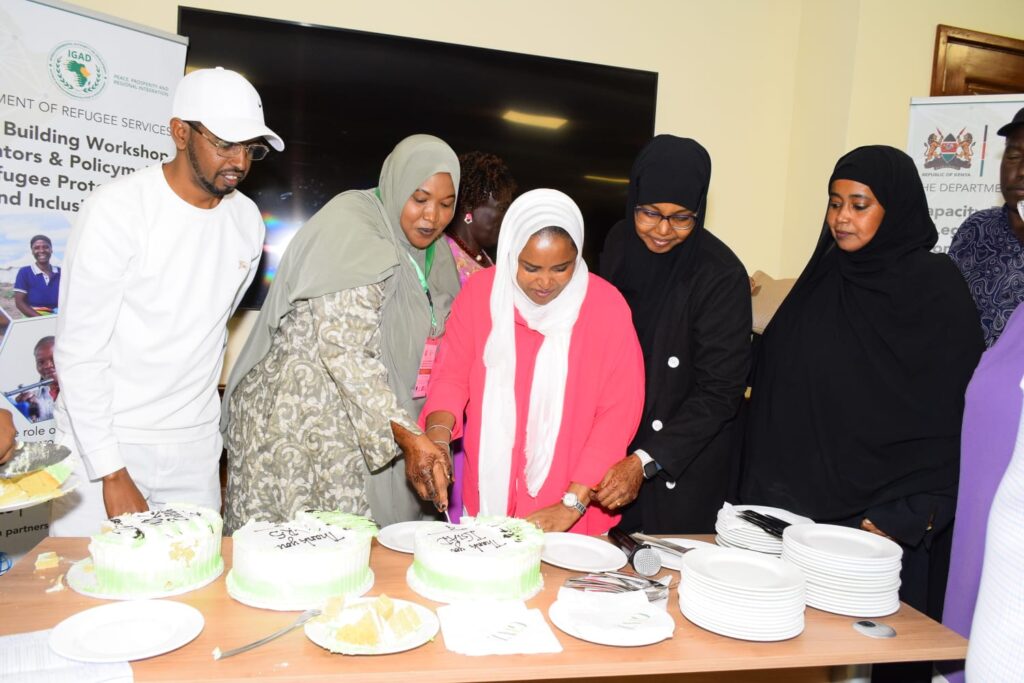
She said the knowledge gained during the workshop would be invaluable as counties begin preparations for future development plans and budget cycles.
“The lessons and experiences shared during this workshop will be instrumental as we prepare for the next County Integrated Development Plan. We now have a better understanding of how refugee inclusion can contribute to peace, economic growth, and social cohesion,” she said.
Committee members observed that refugee-hosting counties must be adequately equipped to address emerging challenges while maximizing opportunities created through national and international development programmes.
Mercy Mwasaru Urges Counties to Prioritize the Shirika Plan
The workshop also featured key presentations from Ms. Mercy Mwasaru, the Acting Commissioner for Refugee Affairs at Kenya’s Department of Refugee Services (DRS).

Ms. Mwasaru oversees the government’s coordination of refugee protection, registration, and durable solutions for refugees and asylum seekers across Kenya. She is also spearheading the implementation of the Shirika Plan, working closely with county governments, development partners, and humanitarian agencies to advance refugee inclusion and self-reliance.
Addressing participants during the workshop, Ms. Mwasaru appealed directly to legislators from Garissa, Turkana, and Nairobi counties to prioritize the Shirika Plan in their development agendas.
“I urge Honourable Members from Garissa, Turkana, and Nairobi counties to consider the Shirika Plan in your County Integrated Development Plans (CIDPs) and Annual Development Plans (ADPs), because these are the counties hosting refugees in our country,” said Ms. Mwasaru.
She noted that successful implementation of the Shirika Plan would depend on the commitment of county governments to align planning and budgeting processes with refugee inclusion priorities.
Ms. Mwasaru further emphasized that integrating refugee issues into county development frameworks would help unlock investment opportunities, strengthen service delivery, and promote peaceful coexistence between refugees and host communities.
Her remarks resonated strongly with the Garissa delegation, particularly members of the Cohesion, Peace and Special Programmes Committee, who pledged to champion refugee inclusion within future county planning processes.
Strengthening Peace, Cohesion and Sustainable Development
The workshop underscored the growing recognition that refugee inclusion is not merely a humanitarian concern but a critical component of sustainable development and peacebuilding.
Experts attending the training highlighted the positive impact that inclusive policies can have on economic growth, social cohesion, and regional stability.
By improving access to education, healthcare, infrastructure, and livelihood opportunities, refugee-hosting counties can create development outcomes that benefit both refugees and local communities.
For Garissa County, where refugee and host communities have coexisted for decades, the lessons learned are expected to inform future policies aimed at strengthening resilience, reducing inequalities, and fostering shared prosperity.
Looking Ahead
As counties prepare their next generation of development plans and budgets, the Garissa County Assembly’s Sectoral Committee on Cohesion, Peace and Special Programmes says refugee inclusion must remain a key pillar of local governance and development planning.
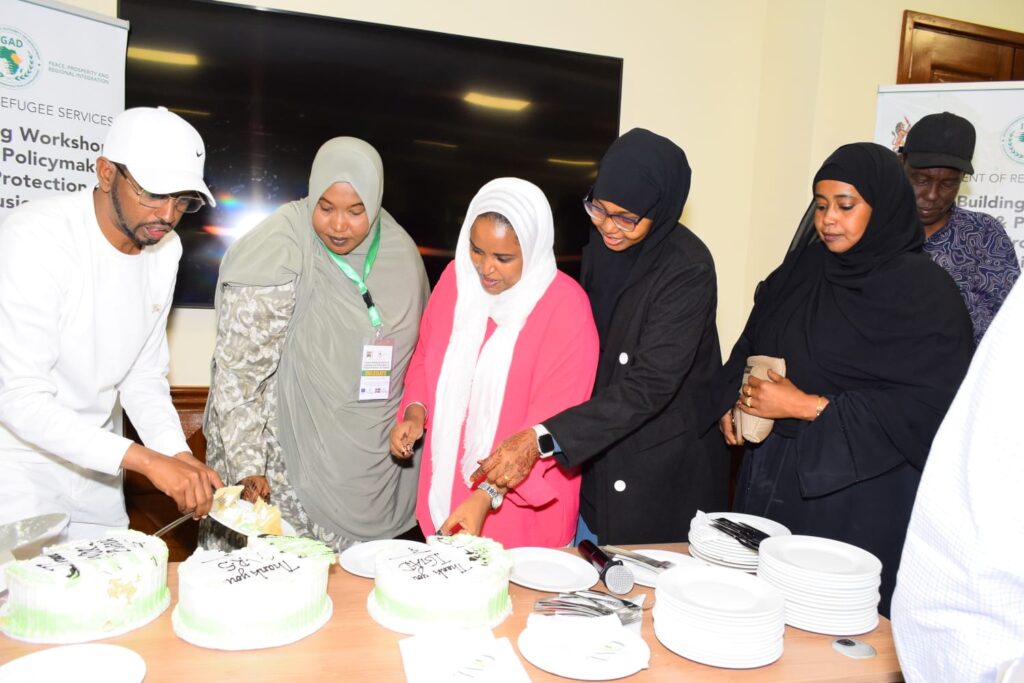
With leaders such as Hon. Khatra Iman Sigat championing evidence-based policymaking and inclusive development, Garissa is increasingly positioning itself as a leading county in the implementation of Kenya’s refugee reform agenda.
The workshop marks an important step toward strengthening county institutions, promoting social cohesion, and ensuring that both refugees and host communities benefit from development opportunities.
For Garissa County Assembly, the message emerging from Naivasha was clear: sustainable development can only be achieved when every community is included and no one is left behind.
