
ASAL POST: Masalani, Ijara Subcounty
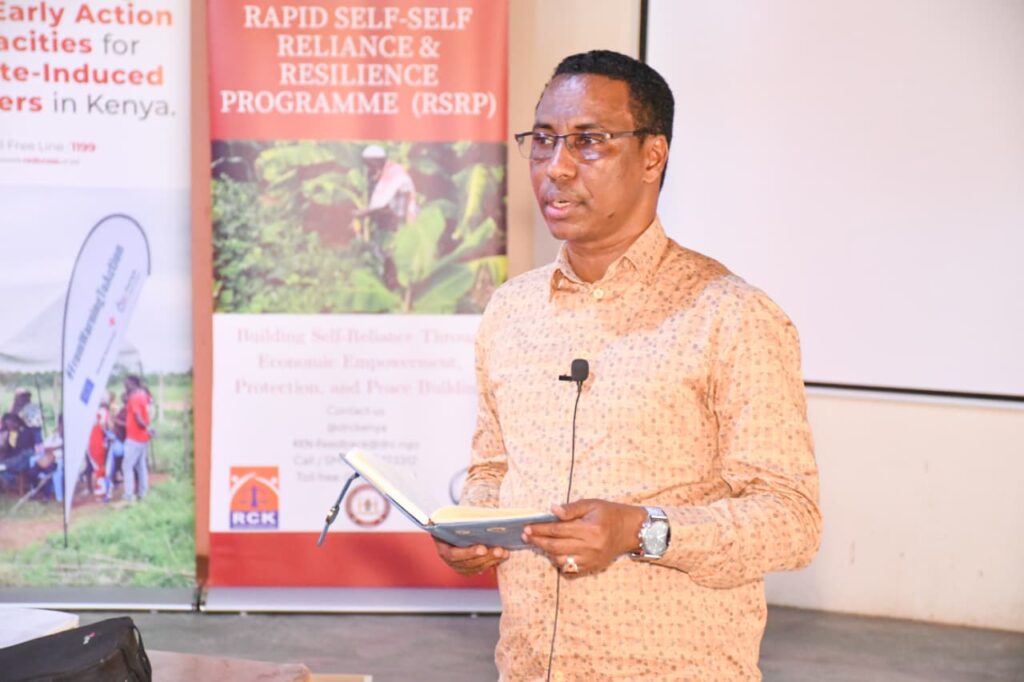
Garissa County has intensified its climate preparedness efforts following the official opening of the Participatory Scenario Planning (PSP) Forum for the March–April–May (MAM) 2026 season in Masalani.
The session was presided over by Acting Director Edward Muriuki of the Kenya Meteorological Department, who stressed the critical need for broad-based and inclusive stakeholder engagement in climate risk management. He noted that effective preparedness hinges on collaboration between government departments, development partners, local administration, and community representatives.
Muriuki further underscored the value of anticipatory action informed by scientific seasonal forecasts, urging all sectors to translate climate information into practical mitigation strategies. He emphasized that proactive planning is essential to minimizing potential socio-economic disruptions and safeguarding vulnerable communities across Garissa County.
County Leadership Steps In

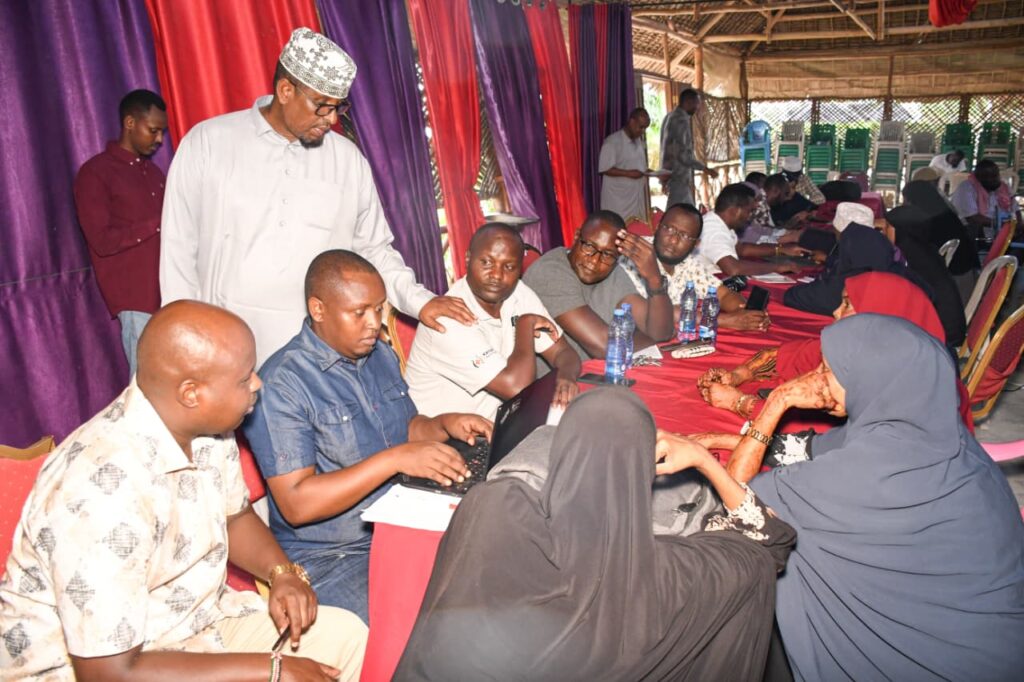
The high-level forum brought together a broad spectrum of county officials, local administrators, development partners, and community representatives in a coordinated effort to interrogate the seasonal forecast projections and align response strategies. The engagement provided a structured platform for cross-sectoral dialogue, ensuring that climate information is translated into practical, sector-specific preparedness actions.
The county leadership delegation led by CEC County Affairs Zahra Musa, Chief Officer for Donor Coordination Leila Aden, Director of Special Programmes Mohamed Dubow, Deputy Director of Special Programmes Abdikadir Arab, Gender Director Zeitun Aden, Masalani Sub county Administrator Hajir Ahmed, and Mohamed Olat representing the County Communication Department, along side other county senior officials. Their participation, alongside other sectoral stakeholders, underscored the county’s whole-of-government approach to strengthening resilience and enhancing coordinated climate response efforts across Garissa.
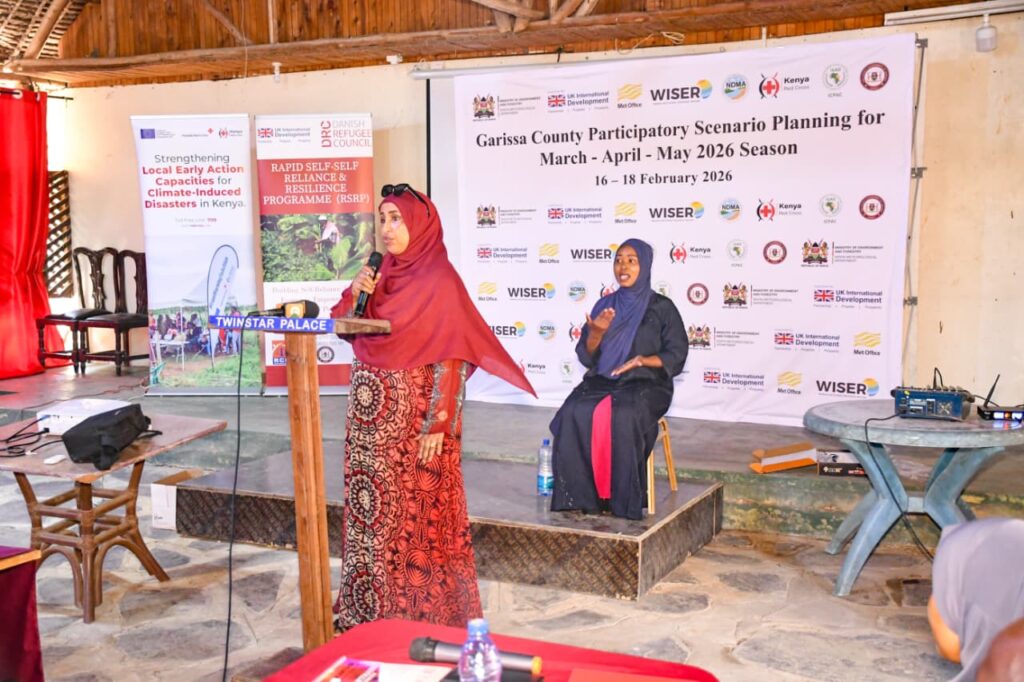
Additionally, the forum emphasized the need for continuous information sharing, real-time monitoring, and community sensitization to enhance early warning dissemination at the grassroots level. Leaders reaffirmed their resolve to strengthen interdepartmental coordination and ensure that preparedness plans are both actionable and responsive to emerging climate scenarios.ed to strengthening resilience across Garissa.

Focus on Actionable Outcomes
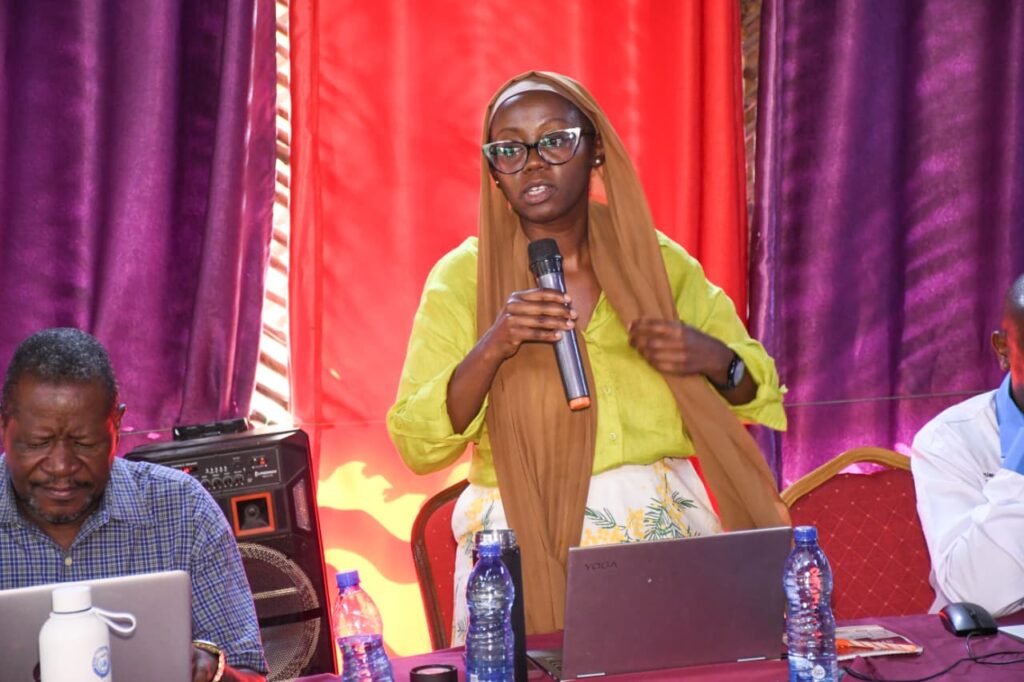
The Masalani forum is strategically designed to move beyond dialogue and deliver concrete, sector-specific recommendations that will inform timely and targeted interventions ahead of the MAM 2026 season. By aligning forecast data with operational planning, stakeholders aim to translate climate projections into implementable action plans across key sectors including agriculture, water, health, and disaster risk management.

As climate variability continues to exert pressure on ASAL regions, the Participatory Scenario Planning (PSP) process underscores Garissa County’s shift toward evidence-based decision-making and anticipatory governance. The forum reinforces a coordinated, multi-sectoral response framework that prioritizes risk reduction, safeguards livelihoods, and strengthens long-term community resilience against recurring climate shocks.