



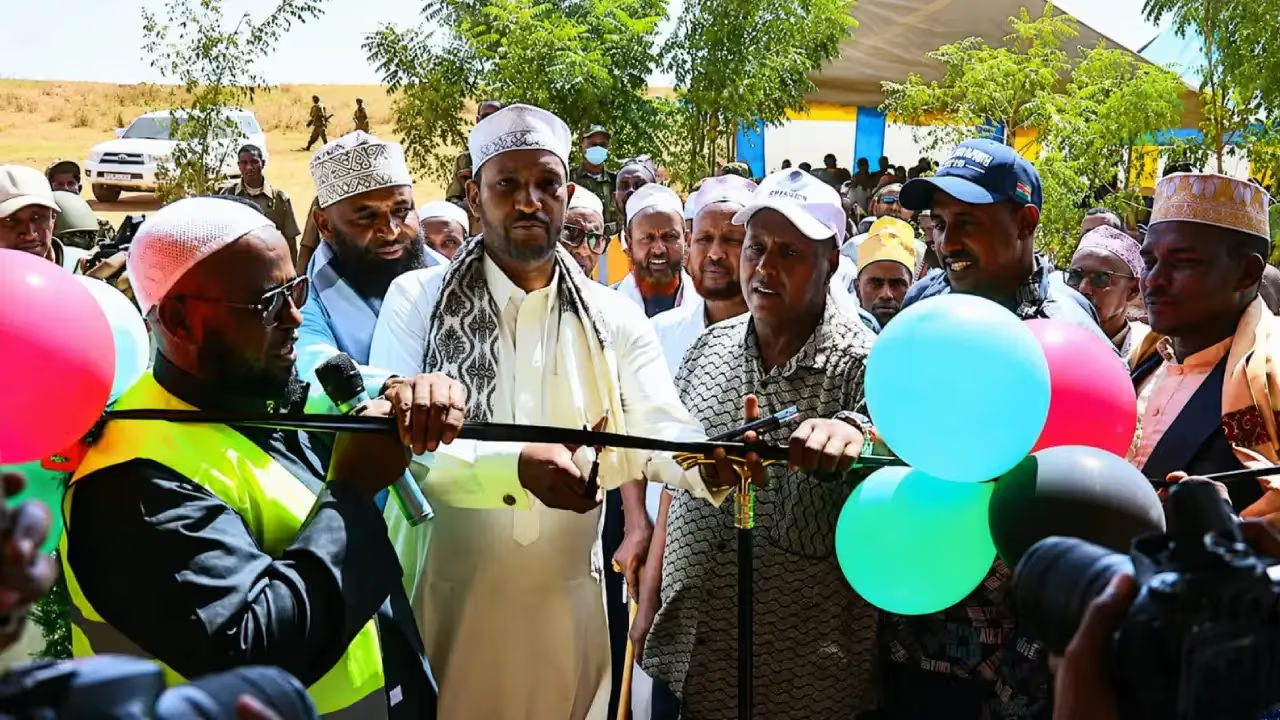
Legislator says government recognition of madrassa and duksi learning marks a historic milestone for religious education, teacher welfare and early childhood development.

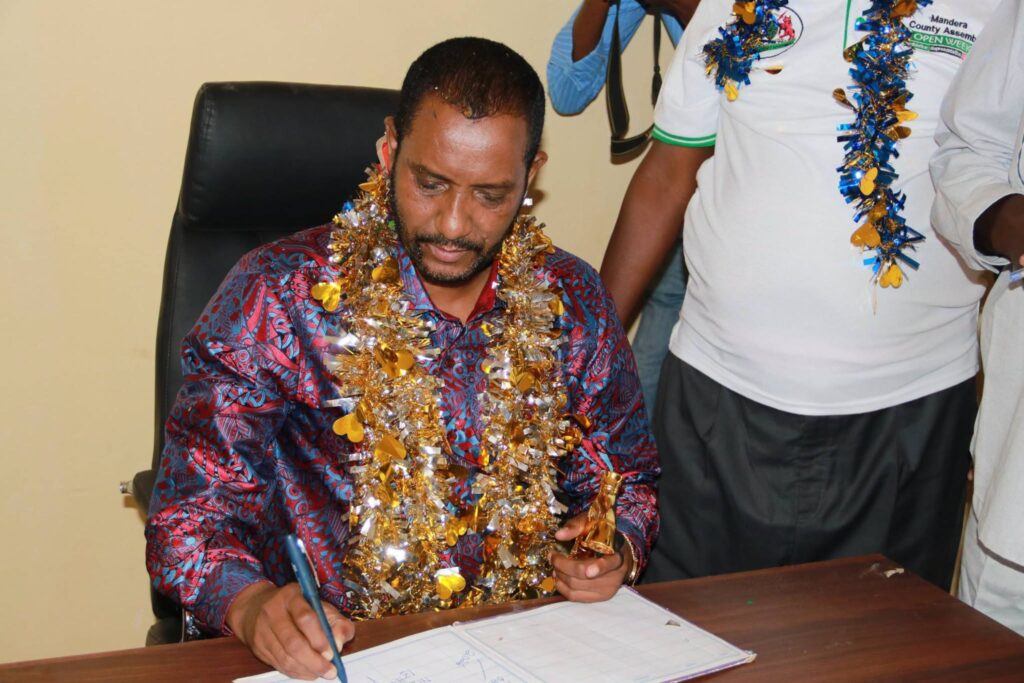
MANDERA, Kenya – Mandera East Member of Parliament Hussein Weytan has welcomed the government’s move to formally integrate madrassa and duksi education into Kenya’s national education framework, describing the decision as a historic step towards strengthening religious and early childhood learning.
Speaking during the official opening of Madrasatul Najah in Hareri Hosle, Mandera County, Weytan said the recognition of madrassa and duksi institutions by the government marks a significant shift in acknowledging their contribution to Kenya’s education system.
The legislator said President William Samoei Ruto had announced that madrassas and duksis would be formally recognized alongside other learning institutions under the country’s education structure.
He said the move places religious-based foundational learning on a more equal footing with other early education systems and provides an opportunity to improve standards and support for thousands of learners.
“This is a historic moment for madrassa and duksi education. For many years, these institutions have played a critical role in shaping children’s values, discipline and foundational knowledge, yet they operated with limited support,” Weytan said.
The MP further revealed that the recently approved national budget includes allocations aimed at supporting madrassa and duksi education, marking the first time such institutions will receive structured government financial backing at the national level.
He also highlighted the expected inclusion of madrassa and duksi teachers under the Teachers Service Commission (TSC), saying the move will help professionalize the sector and improve the welfare of educators who have served communities for decades under challenging conditions.
Weytan praised President Ruto’s administration for recognizing the importance of community-based learning systems, saying the decision reflects a commitment to expanding access to quality education.
“For many years, madrassa teachers depended on contributions from parents, communities and well-wishers to sustain learning institutions. This often resulted in inadequate resources and limited support for teachers,” he said.
The MP noted that madrassa education remains a key pillar of early childhood development, especially in northern Kenya and other marginalized areas where many children begin their learning journey before joining formal schools.
He said these institutions play an important role in nurturing children by providing moral education, discipline and basic knowledge that contributes to their growth as responsible members of society.
Weytan urged education stakeholders, communities and religious institutions to support the implementation of the new policy to ensure the integration process strengthens learning standards and improves outcomes for children across the country.
He reaffirmed his commitment to supporting education reforms that recognize and empower community-based learning systems in Mandera East and beyond.


