


Commission condemns deaths, destruction of property and displacement following deadly clan-related clashes in Ari-Caddeeye and Jalalaqsi.

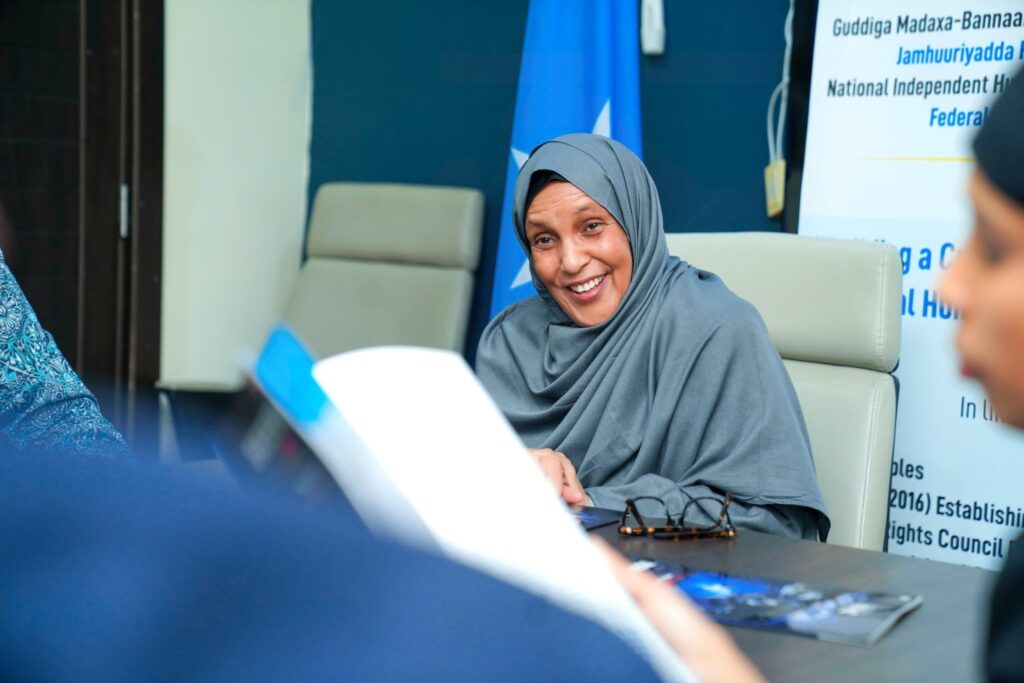
MOGADISHU, Somalia – Somalia’s National Independent Human Rights Commission has condemned the killing of civilians in parts of Sool and Hiran regions, calling for independent investigations and urgent measures to protect communities affected by recent violence.
In a statement issued on Saturday, the commission said it was deeply concerned by the loss of civilian lives, destruction of property and displacement of families following clashes reported in Ari-Caddeeye, Sool Region, and Jalalaqsi, Hiran Region.
According to the commission, at least 21 civilians, including children and elderly people, were killed in an attack in Ari-Caddeeye, while at least 10 people lost their lives in violence in Jalalaqsi, where several civilian homes were also reportedly destroyed by fire.
The rights body said it has been closely monitoring the situation and conducted a preliminary assessment based on available information, while further investigations and consultations with relevant authorities continue.
“The commission is deeply concerned by the targeting of civilians, destruction of property, displacement of families and the humanitarian consequences caused by the violence,” the statement said.
The commission urged all parties involved in the conflicts to immediately end hostilities, exercise restraint and ensure the protection of civilians and their property in accordance with Somalia’s Federal Constitution, international human rights law and humanitarian principles.
“We call on all parties to immediately end the hostilities, exercise restraint and protect civilians and their property,” the commission said.
The condemnation follows clan-related clashes reported on June 20 and June 22 in Ari-Caddeeye and Jalalaqsi, which resulted in deaths, injuries, displacement and destruction of property.
The commission said protecting civilians and ensuring accountability for violations remain critical steps towards addressing insecurity and preventing further humanitarian suffering in affected communities.


